Overview
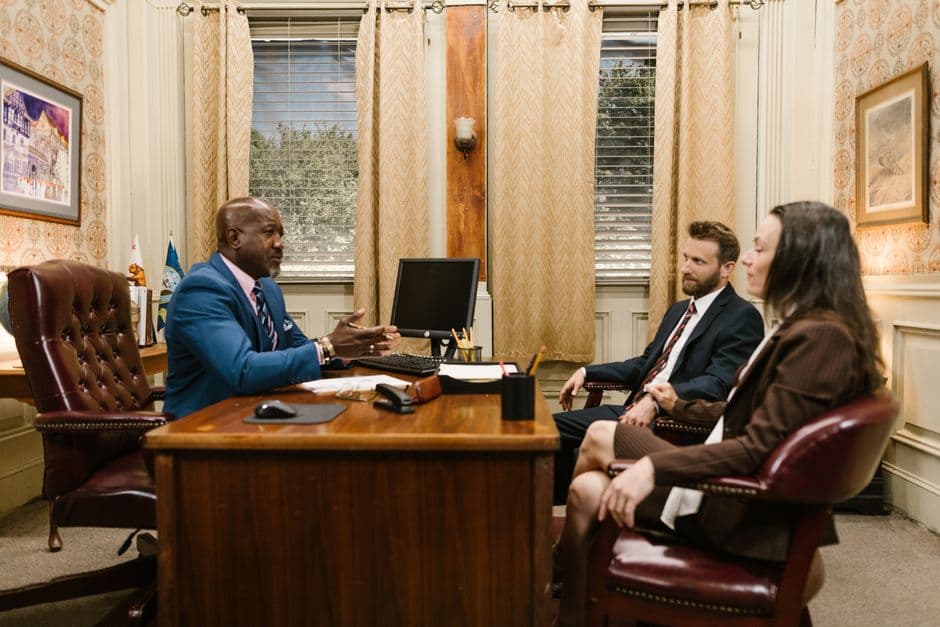
A personal injury lawyer handles everything between your accident and your settlement check so you can focus on recovering. That means investigating the crash, gathering and preserving evidence, collecting your medical records and bills, dealing with the insurance adjusters so you don't have to, putting together a demand that documents every loss, negotiating the settlement, resolving medical liens, and filing and litigating a lawsuit if the insurer won't pay fairly. Here's a closer look at each piece.
Frequently Asked Questions
What does a personal injury lawyer do?
A personal injury lawyer investigates your accident, gathers evidence, collects medical records, calculates the full value of your losses, handles all communication with the insurance companies, sends a demand letter, negotiates a settlement, negotiates down any medical liens, and takes the case to court if necessary. Their job is to make sure the insurer pays what the claim is actually worth rather than what it hopes you'll accept.
What does a car accident lawyer do right after the crash?
In the first days they secure the evidence that disappears fastest: the police report, scene photos, witness contact information, dashcam or business surveillance footage, and vehicle damage records. They also notify every relevant insurer, send preservation letters so evidence like a truck's data recorder isn't destroyed, and make sure you're getting medical care that documents your injuries from the start.
How does a lawyer handle the medical side of my case?
They request and organize your medical records and bills, track your treatment and diagnoses, work with your doctors to document how the injury affects you long-term, and, where needed, obtain expert opinions on future care or permanent impairment. They also deal with health insurers and providers who assert liens against the settlement, and often negotiate those liens down so more money reaches you.
How does a lawyer negotiate with the insurance company?
Once your treatment stabilizes, the lawyer assembles a demand package laying out liability, injuries, bills, lost wages, and pain and suffering, backed by the evidence, and sends it to the adjuster. The adjuster counters, and the lawyer pushes back using the evidence and the threat of a lawsuit. Because the insurer knows the attorney can take the case to trial, negotiations carry more weight than when an injured person negotiates alone.
What happens if my case goes to litigation?
The lawyer drafts and files the complaint, serves the defendant, handles discovery (written questions, document exchanges, and depositions), prepares you for your deposition, takes the case to mediation, and tries it before a jury if it doesn't settle. Most cases settle somewhere along the way. A free case review from Injury Case Pro connects you with an attorney who can take on all of this for you.
Have Questions About Your Injury Case?
Injury Case Pro offers free, no-obligation case reviews. There are no upfront costs and you pay nothing unless we win your case.
Get A Free Case Review →This page is for general informational purposes only and does not constitute legal advice. Laws vary by state and every case is different. Contact us to discuss the specific facts of your situation.