Overview
Fault in a car accident comes down to which driver failed to use reasonable care, and it's decided by evidence, not by who apologized at the scene. The police report, traffic laws that were broken, the physical damage, photos, dashcam footage, and witness accounts all feed into the determination. Insurance adjusters make the first call, but their decision isn't final, and in Georgia, Texas, Illinois, and Alabama the way fault is split directly affects how much — if anything — you can recover.
Frequently Asked Questions
How do I tell who is at fault in a car accident?
Start with the basics: who violated a traffic law (running a light, speeding, following too closely, failing to yield), what the police report says, where the damage is on each vehicle, and what witnesses and any video show. Fault is ultimately a question of negligence — which driver failed to act as a reasonably careful driver would — and the evidence that answers it should be gathered as soon as possible after the crash.
Does the police report decide who was at fault?
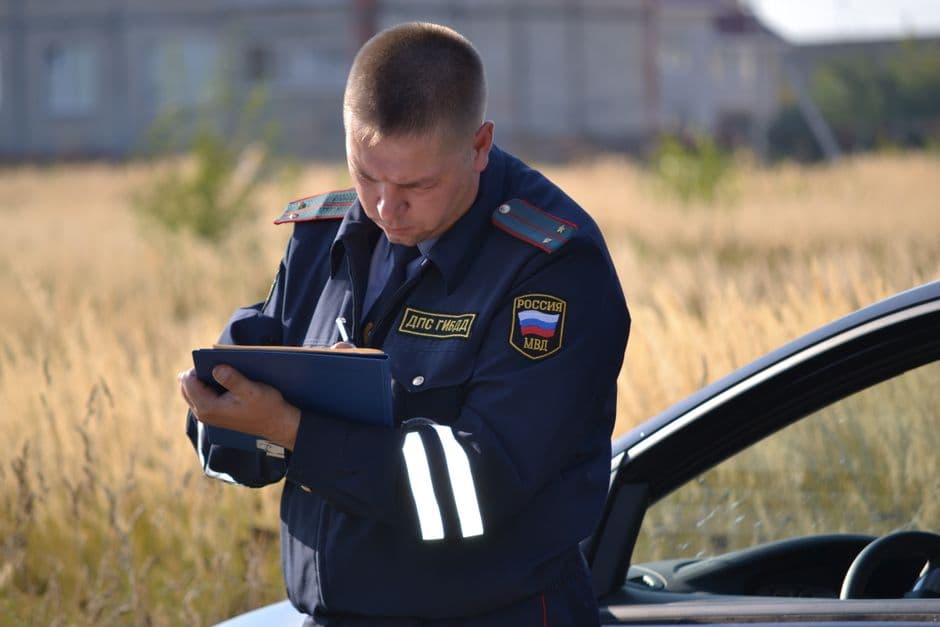
Not by itself. The officer's report records the facts, may note a traffic citation, and often includes the officer's opinion on contributing factors, and adjusters give it a lot of weight. But it's not legally binding, officers don't always witness the crash, and reports contain mistakes. A report that names you can be challenged with other evidence, and a report in your favor still needs to be backed up.
Who actually decides fault — the insurance company?
The insurance adjusters make the first determination, and in most claims that's where it ends because the parties settle. If the insurers disagree with each other or with you, fault is negotiated, and if no agreement is reached a judge or jury decides it in a lawsuit. Adjusters work for the insurer, so their fault assessment often favors their own insured — which is why independent evidence matters.
What if we were both partly at fault?
Each state handles shared fault differently. Georgia uses modified comparative negligence with a 50% bar: you can recover if you were less than 50% at fault, reduced by your percentage. Texas and Illinois use a 51% bar, so you can recover as long as you were not more than 50% at fault. Alabama follows pure contributory negligence, where being even slightly at fault can bar recovery entirely, which makes fault evidence especially critical there.
What evidence helps prove the other driver was at fault?
Photos of the scene and vehicle damage, the police report, witness names and statements, dashcam or nearby surveillance footage, the other driver's citation, phone records if distraction is suspected, and in serious cases event data from the vehicles themselves. Collect what you can at the scene and preserve the rest quickly. A free case review can help you figure out what evidence your claim needs.
Have Questions About Your Injury Case?
Injury Case Pro offers free, no-obligation case reviews. There are no upfront costs and you pay nothing unless we win your case.
Get A Free Case Review →This page is for general informational purposes only and does not constitute legal advice. Laws vary by state and every case is different. Contact us to discuss the specific facts of your situation.